Why it matters
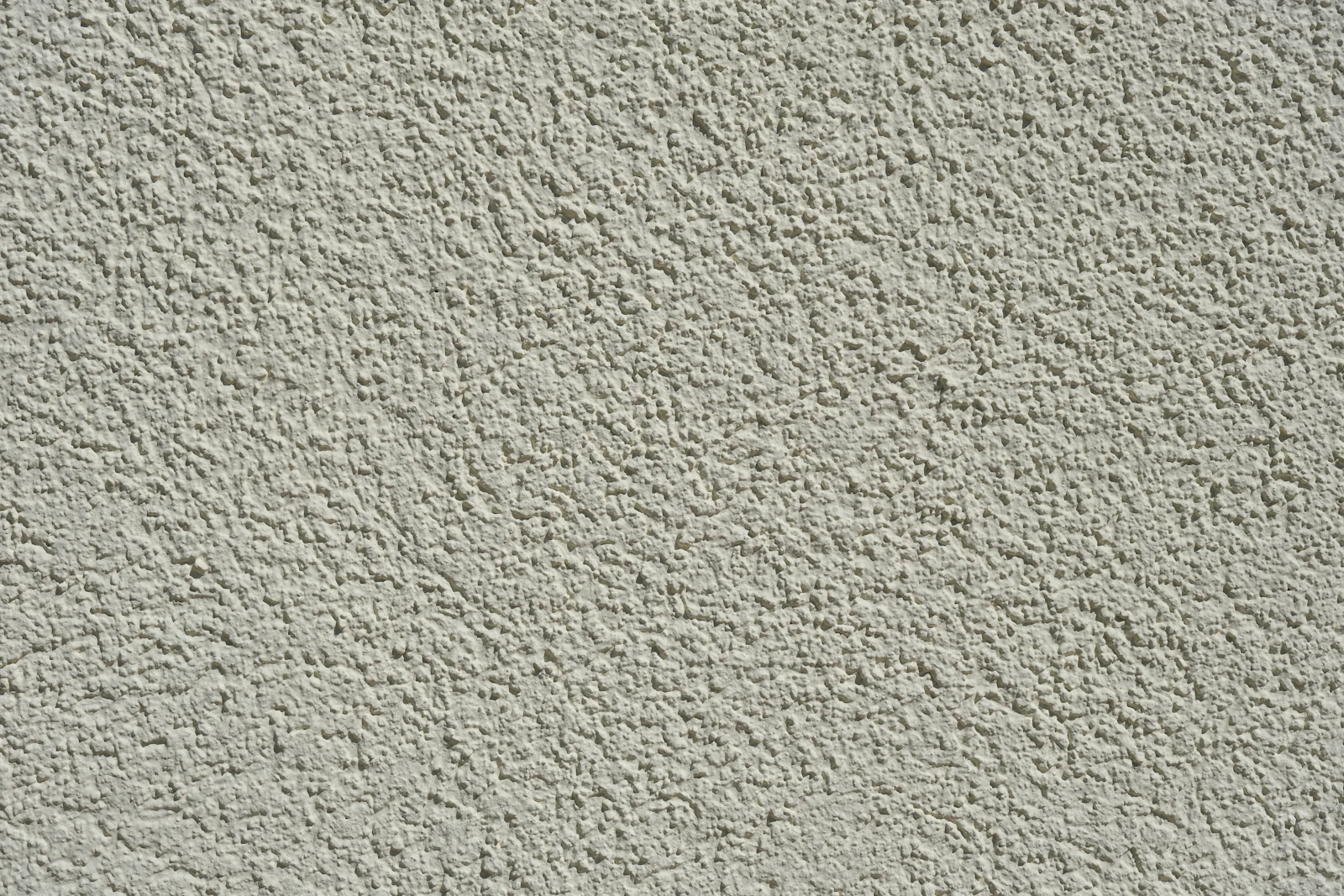
Asbestos was widely used in building materials until it was banned in 1999. Homes built or refurbished before 2000 may contain it, and the HSE lists textured decorative coatings (commonly called Artex) among the materials that can contain asbestos. Asbestos is only dangerous when its fibres are released into the air, for example by sanding, scraping or drilling.
If it is in good condition, leave it alone
HSE advice is that if you know or strongly suspect asbestos is present, it is often best to leave it where it is, especially if it is in good condition, and check it from time to time for damage. Do not sand or scrape a textured coating that might contain asbestos.
Getting it tested
The only way to know is to have a sample analysed. Use an asbestos surveyor or testing service, and check the laboratory is UKAS-accredited for asbestos analysis. Your local council’s environmental health team can also advise.
Covering or removing it
- Covering: boarding over or skimming a sound textured ceiling avoids disturbing it. Your plasterer should know if asbestos is present, so they can avoid sanding and drilling it unnecessarily.
- Removing: taking off textured coatings that contain asbestos must be done using controlled methods by people trained to work with asbestos; large-scale removal is notifiable work. Do not attempt it yourself without training.
- Tell your tradespeople: always let builders, electricians and plasterers know about suspected asbestos before they start.
Next steps
If testing shows no asbestos, a plasterer can skim or board over the ceiling as normal. Compare local plasterers, and ask about their experience with textured ceilings.
Last updated: 14 October 2026


