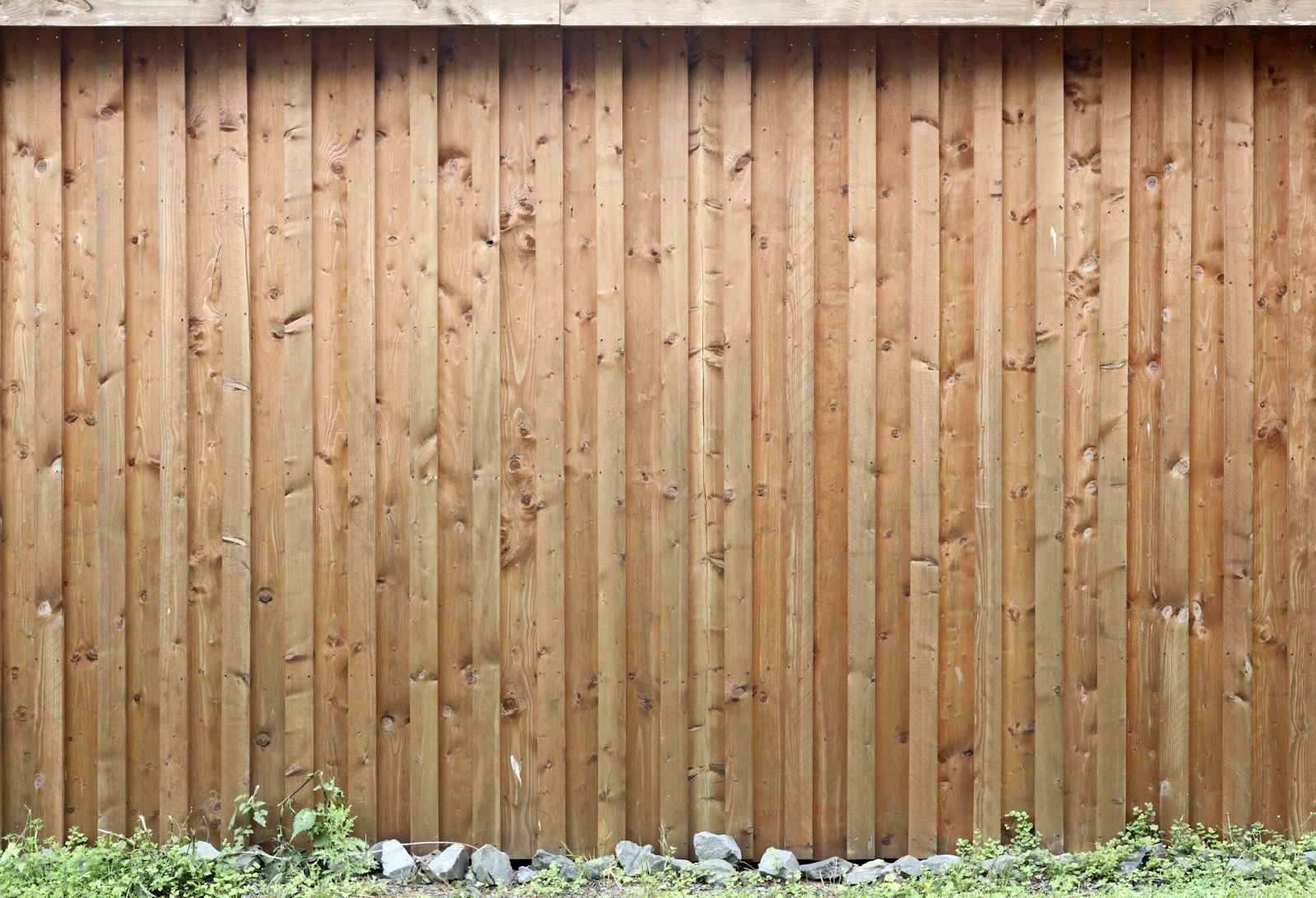
The height limits
In England, you generally do not need planning permission to put up, alter or replace a fence, wall or gate if:
- it is no more than 1 metre high where it is next to a road used by vehicles (or the footpath of such a road); and
- it is no more than 2 metres high anywhere else.
If an existing fence or wall is already over these heights, you cannot make it taller without permission.
When you need permission
- Your home is a listed building, or the fence is within its grounds.
- The boundary is shared with a neighbouring listed building or its grounds.
- Your permitted development rights have been removed by a planning condition or Article 4 direction (common on some open-plan estates).
- In a conservation area, you may need permission to remove a fence, wall or gate.
Hedges
Planting a hedge does not usually need planning permission, although some estates have planning conditions or covenants that restrict planting at the front. If a neighbour’s evergreen hedge is causing a problem, try to resolve it with them first; councils can deal with some high hedge complaints as a last resort.
Boundaries and neighbours
- Check your title deeds or plans to see who owns and maintains each boundary.
- Talk to your neighbour before replacing a shared fence.
- Building a garden wall on the boundary line may fall under the Party Wall etc. Act.
- Tall freestanding brick walls need proper foundations and design to be stable. An experienced builder or landscaper will advise.
Find a fencing contractor
Ask about post type and depth, how the posts will be fixed, gravel boards to keep panels off the ground, and the treatment and guarantee for the timber. Compare local landscapers and fencing contractors.
Wales, Scotland and Northern Ireland have their own planning rules. This guide covers England; elsewhere in the UK, check with your local council.
Last updated: 14 October 2026


