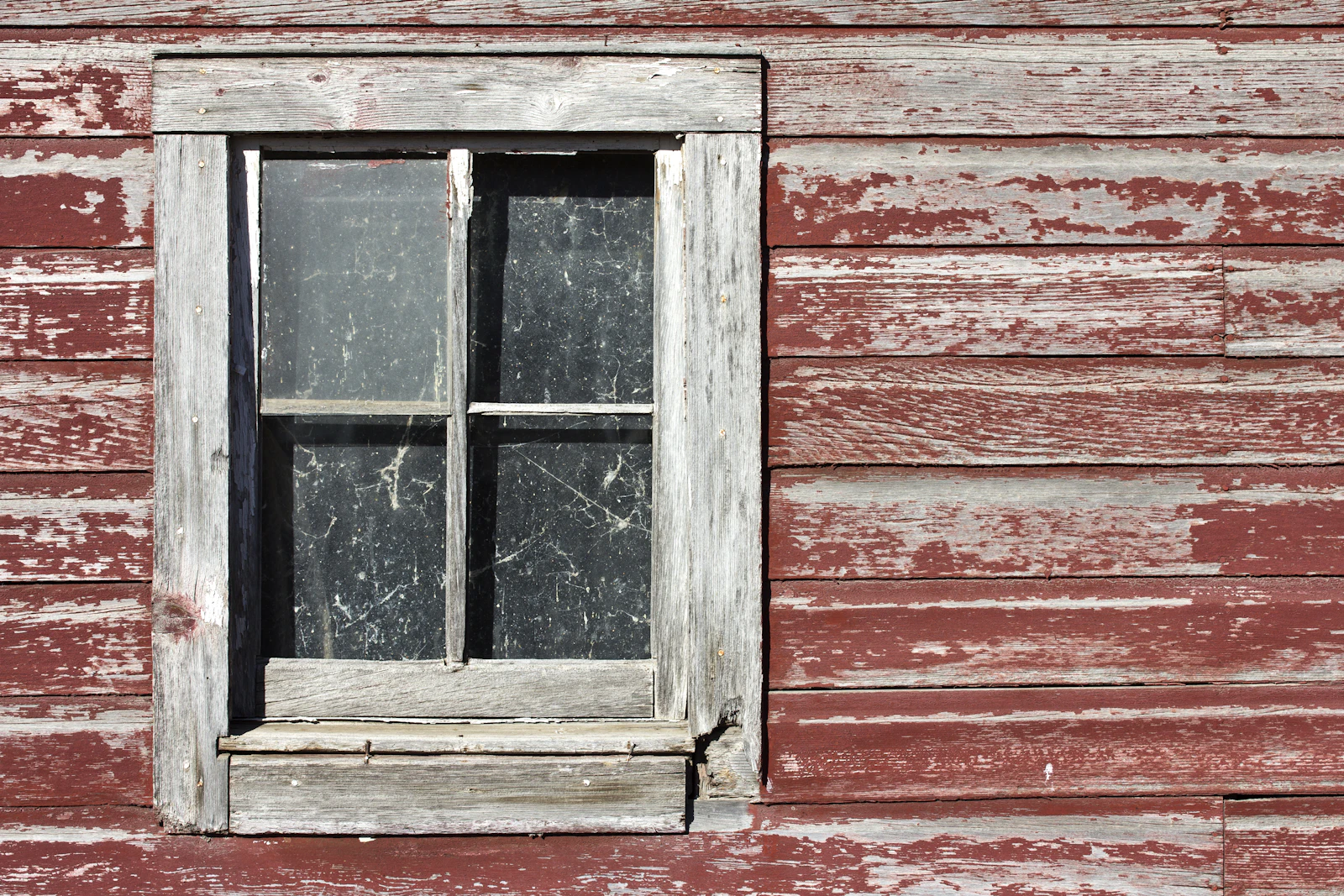
Which homes may have lead paint?
If your home was built before the 1960s and still has original coats of paint, particularly on windows, doors, skirting and other woodwork, some layers may contain lead. If the woodwork has been repainted more recently and is in good condition, the old paint is sealed in and poses little risk.
When it becomes a risk
Lead paint is a hazard when it is disturbed: flaking, chipped, sanded or burned. That creates dust and fumes that can be breathed in or swallowed. Young children and pregnant women are most at risk.
What not to do
- Never dry sand old paintwork that may contain lead.
- Do not burn it off with a blowtorch. If using a hot-air gun, keep it at a low setting, just enough to soften the paint without burning it.
- Avoid any method that creates lots of dust or fumes.
Safer approaches
- If the paint is sound, overpaint it with a modern paint to seal it in.
- If it must come off, use a chemical or water-based paint stripper (following the safety instructions) and wet abrasive paper rather than dry sandpaper.
- Wear protective clothing, gloves and a properly fitted mask with a P3 filter; seal off the room and keep children and pregnant women away.
- Cover or remove furniture and carpets, clean up with water and detergent, and wash work clothes separately.
Hiring a decorator
For larger jobs, or if you are unsure, use a professional decorator who knows how to deal with old paint safely. The Painting and Decorating Association can help you find a member. Ask how they will test for and handle lead paint. Compare local painters and decorators.
Last updated: 14 October 2026


