Let it dry properly
- New plaster changes from dark pink or brown to an even, light pale colour as it dries. Patchy darker areas are still damp.
- Drying time depends on the thickness, type of plaster, temperature and ventilation. Ask your plasterer for guidance on your walls.
- Keep the room ventilated and gently heated, but avoid blasting heat at it, which can cause cracking.
Use a mist coat first
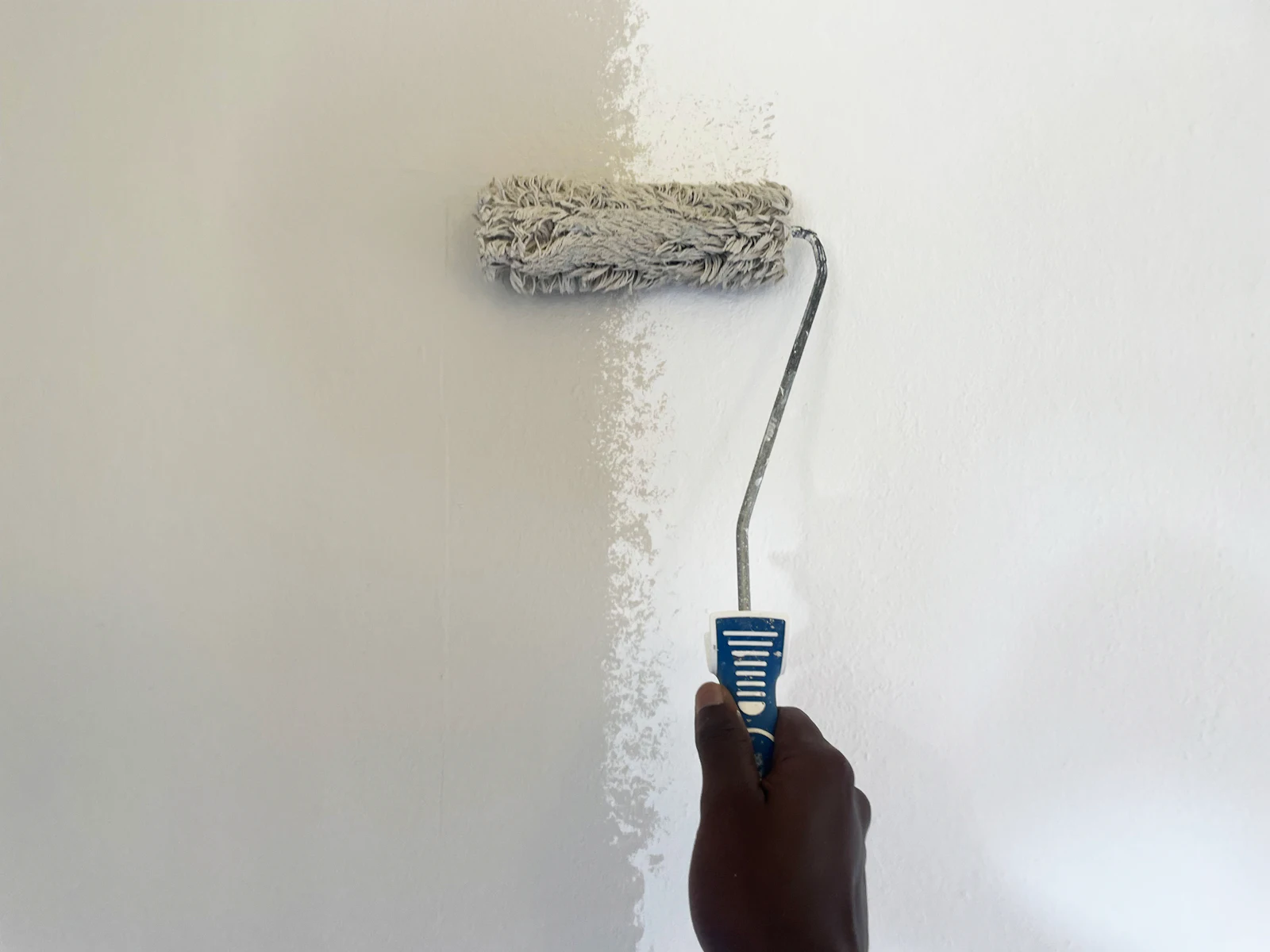
New plaster is very absorbent. A mist coat is a first coat of paint thinned with water (or a product made for new plaster) that soaks in and seals the surface, so the following coats stick properly. Follow the paint manufacturer’s instructions for how much to thin it.
Common mistakes
- Painting too soon: trapped moisture can cause paint to bubble or peel.
- Vinyl or wipeable paints as a first coat: these can sit on the surface and stop the plaster breathing as it finishes drying. Check the paint is suitable for new plaster.
- Skipping preparation: lightly remove any nibs or splashes and dust off before painting.
- Not checking in good light: look along the wall with a light to spot marks before the top coats.
Wallpapering new plaster
New plaster usually needs sizing (sealing with diluted paste or a size product) before hanging wallpaper, so the paper can be positioned and removed more easily later. Your decorator can advise.
Get help
Compare local painters and decorators who regularly work on freshly plastered walls, or read skimming, replastering or dry lining if you are still planning the plastering.
Last updated: 14 October 2026


