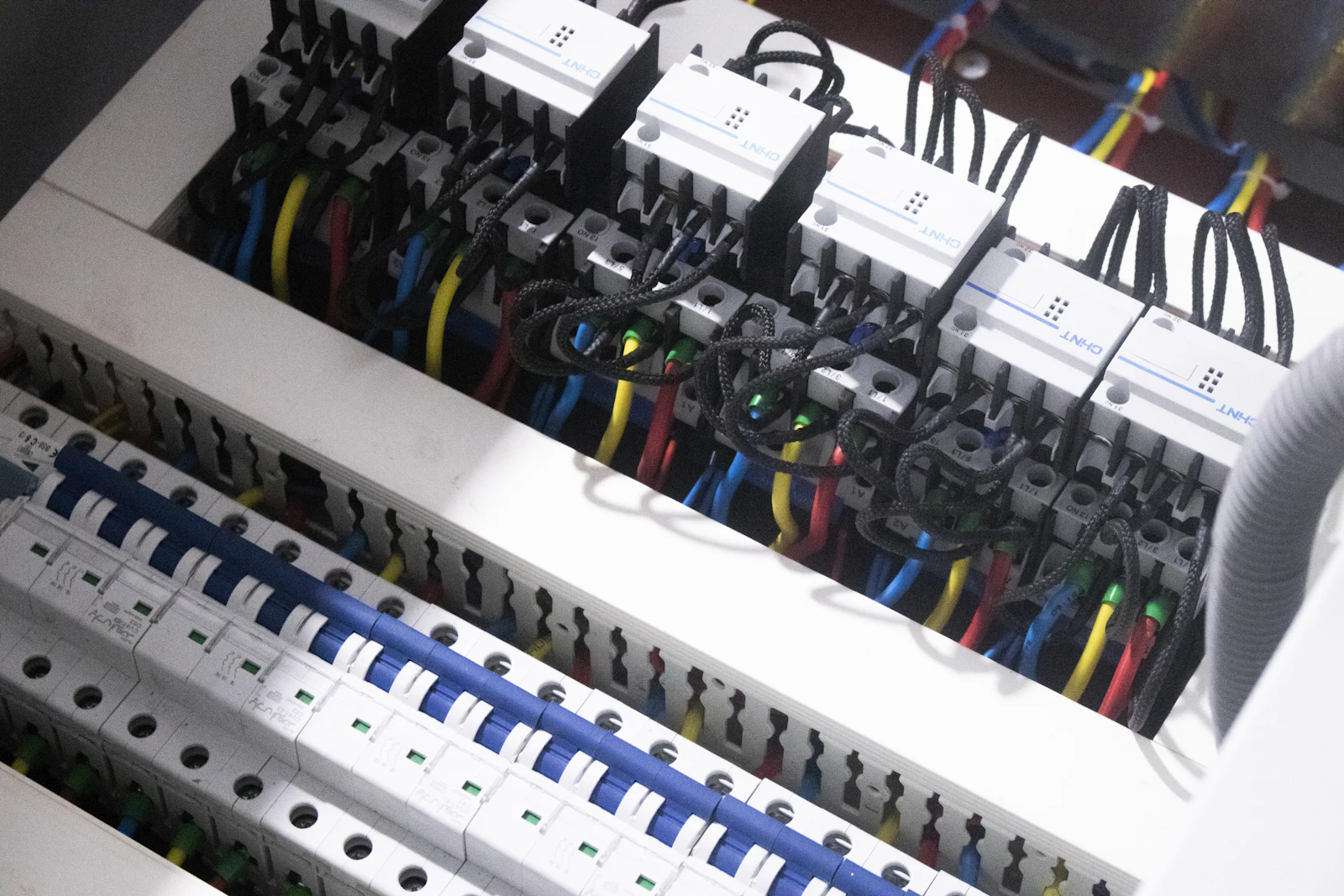
Why consumer units get upgraded
- Old rewireable fuses (with fuse wire) or a wooden-backed board are signs of an old installation.
- RCD protection: modern consumer units include residual current devices that cut the power quickly if there is an earth fault, reducing the risk of a fatal electric shock. Older boards often have limited or no RCD protection.
- Fire safety: current wiring standards require consumer units in homes to have a non-combustible enclosure, typically metal.
- New circuits: an EV charger, electric shower or extension may need spare capacity or a new board.
Signs you may need a rewire
- Old cable types, such as rubber or fabric-insulated cable, or lead-sheathed cable.
- Round-pin sockets, or sockets and switches mounted on skirting boards.
- Frequent trips or blown fuses, flickering lights, or scorch marks and burning smells at sockets.
- Not enough sockets, with extension leads everywhere.
- An EICR that recommends significant remedial work.
Only an electrician can tell you for sure. An EICR is the usual starting point.
The rules
In England, replacing a consumer unit and installing new circuits are notifiable under Part P of the Building Regulations. Use an electrician registered with a competent person scheme so they can self-certify; otherwise the work must be inspected by Building Control or a third-party certifier.
What you should receive
- An Electrical Installation Certificate for the new consumer unit or rewire.
- A Building Regulations compliance certificate through the electrician’s scheme (or from Building Control).
- Clear labelling of circuits on the consumer unit.
Planning a rewire
A full rewire usually means lifting floorboards and chasing cables into walls, so it is best done before decorating, ideally alongside other renovation work. Budget for plastering and making good afterwards. Compare local electricians.
Last updated: 14 October 2026


