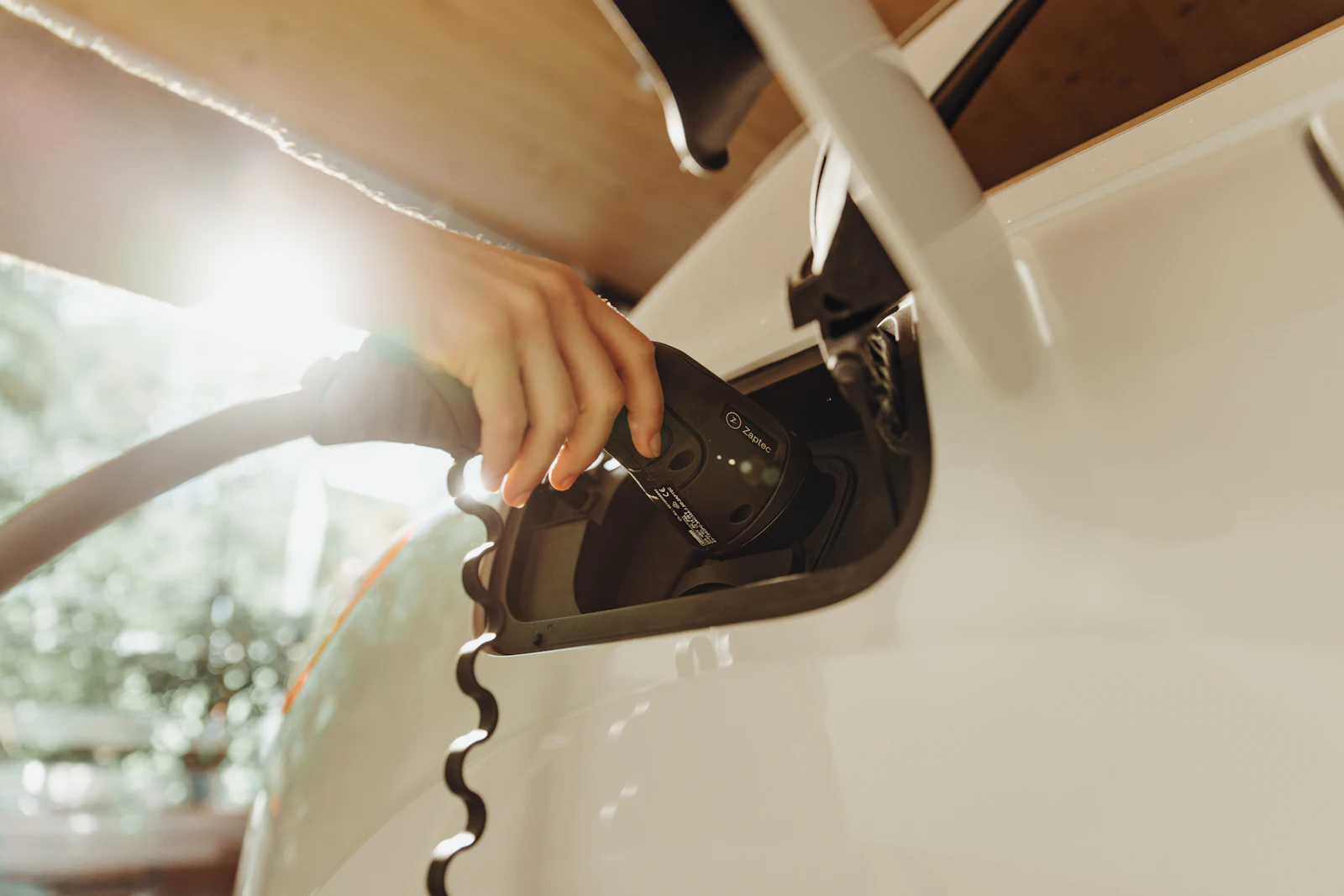
What installation involves
- A survey of your supply, consumer unit and earthing arrangements.
- A dedicated new circuit from the consumer unit to the charger, which is notifiable electrical work in England.
- Mounting the charger near where you park, with cable runs inside or outside the house.
- Sometimes an upgrade to the consumer unit, or a request to your network operator if the supply needs checking.
Smart charger rules
Home chargers sold and installed in Great Britain must be smart under the Electric Vehicles (Smart Charge Points) Regulations 2021. They must be able to send and receive information, and come with features such as default off-peak charging hours that you can change, and a randomised delay to help balance demand on the grid.
Grant for renters and flat owners
The government’s EV chargepoint grant gives 75% off the cost of buying and installing a socket, up to a maximum of £500. It is for people who:
- own and live in a flat, or rent and live in any residential property;
- have their own private off-street parking; and
- own, lease or have ordered an eligible electric vehicle.
The installer applies for the grant on your behalf, so use an installer authorised for the scheme. Check the GOV.UK page for the latest eligibility and dates before you book.
Questions to ask your installer
- Are you authorised for the government chargepoint grant (if you are eligible)?
- Are you registered with a competent person scheme for electrical work?
- Does my consumer unit or supply need upgrading?
- Where will the cable run, and how will it be protected?
- What certificates and warranty will I get?
Next steps
Compare quotes from local electricians who install chargers. If your consumer unit is old, read fuse box upgrades and signs you need a rewire first. If your home is listed or in a conservation area, check with your council before fitting a charger to the outside wall.
Last updated: 14 October 2026


